
Chainsaw Reviews, Cutting Techniques, Safety Awareness & Operator Wellness
Introduction
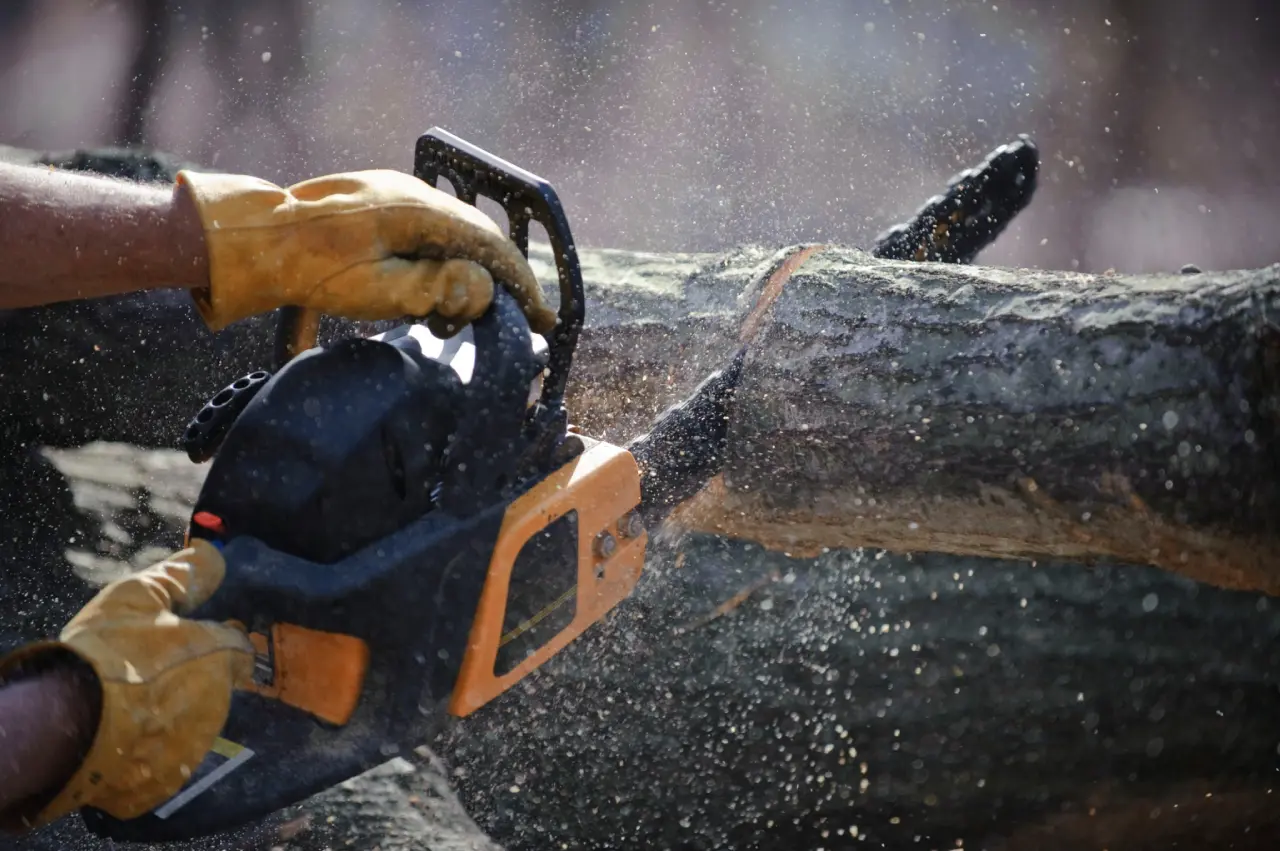
Chainsaw operators—whether handling routine firewood, storm cleanup, or forestry work—depend on accurate information to stay productive and avoid preventable risks. With more than ten years of hands-on experience, Chainsaw Overview Use Safety focuses on four core areas that matter most: equipment reviews, cutting techniques, practical safety insights, and operator wellness. This article brings together real-world observations, performance comparisons, and essential awareness to help users work with confidence.
Understanding Safety Gear and Smart Operating Habits
Protective equipment plays an important role in reducing injury severity during unexpected events. Modern helmets with integrated visors shield users from falling debris and flying chips. Cut-resistant chaps and pants feature specialized fibers that can slow or stop a moving chain on impact. Anti-vibration gloves improve hand comfort during extended sessions, and chainsaw-rated boots help protect feet from accidental contact or rolling logs.
A simple pre-use routine—inspecting gear, removing debris from vents and fabrics, and replacing worn components—helps keep equipment reliable. Many users underestimate how quickly protective gear degrades over time. Periodic checks ensure that every layer performs as intended.
Cutting Technique Principles for More Controlled Work
Effective cutting depends on understanding how wood reacts under load, how angles influence the saw’s path, and how positioning affects control. Assessing the work area, recognizing lean or tension points, and planning movement ahead of time support steadier, more predictable results.
Using proper cutting angles, maintaining a balanced stance, and keeping a sharp chain reduce excess strain and allow the saw to work efficiently. Techniques such as maintaining chain sharpness, managing bar pressure, and adjusting grip during directional cuts contribute to smoother and more consistent performance.
Unbiased Chainsaw Reviews Backed by Real Use
The best chainsaw for an operator depends on task type, handling preference, runtime expectations, and maintenance habits. Our evaluations focus on real-world performance: vibration levels, ease of tensioning, fuel or battery efficiency, ergonomics, durability, and overall value.
Recent standouts include:
- Stihl MS 400 C-M — Noted for strong torque, balanced weight, and advanced control features.
- Husqvarna 540i XP — A leading battery option with impressive power delivery, intuitive handling, and low vibration.
- Ryobi RY405110 40V — A reliable pick for casual users seeking consistent performance and minimal upkeep.
Reviews are refreshed as new firmware updates, accessories, or performance data become available. These comparisons help operators choose equipment suited to their workflow rather than marketing claims.
Ergonomics & Operator Wellness
Chainsaw work demands steady strength, balanced movement, and controlled posture. Small adjustments—keeping the saw close to the body, maintaining a stable stance, switching grip positions as needed, and aligning wrists neutrally—can reduce fatigue and minimize unnecessary strain.
Simple conditioning habits support safer, more efficient work. Warm-ups improve mobility before a session. Core-focused exercises strengthen stability. Hydration and short breaks reduce fatigue. After the work is done, light stretching helps maintain long-term flexibility.
Wellness is not an accessory to chainsaw work—it directly impacts comfort, stamina, and accuracy.
Staying Informed and Improving Decision-Making
As tools evolve and new equipment enters the market, staying updated helps operators make better choices. Our newsletter shares equipment updates, new review releases, cutting-technique insights, safety reminders, and operator wellness tips—all focused on helping users stay prepared and informed.
Final Call-to-Action:
References
1. OSHA – Occupational Safety and Health Administration
- Chainsaw safety standards, PPE requirements, and safe operating procedures.
- OSHA 1910.266 (Logging Operations) is the key standard.
2. CDC / NIOSH – National Institute for Occupational Safety and Health
- Chainsaw injury data, prevention insights, and operator safety research.
3. ANSI – American National Standards Institute
- ANSI Z133 Safety Standards for Arboricultural Operations.
- Industry standard for arborists.
4. U.S. Forest Service (USFS) – Chainsaw Training Manuals
- Step-by-step cutting techniques, felling, bucking, safety zones, and escape routes.
- The USFS Sawyer Training Guide and Technical Guides.
5. Stihl Chainsaw Safety & Operations Manuals
- Manufacturer guidance on cutting techniques, maintenance, and operation.
6. Husqvarna Professional Chainsaw Safety Resources
- Cutting methods, ergonomics, and handling best practices.
7. International Society of Arboriculture (ISA)
- Professional arborist standards, safe work practices, and equipment insights.
8. University Extension Programs
- Chainsaw training modules and forestry safety guides.
- Examples:
- Penn State Extension
- Oregon State Extension
- University of Maine Extension
9. NFPA 1901 & Related Guidelines
- Referenced for emergency response operations involving saw use.